Avexitide post bariatric hypoglycemia trial cuts serious low sugar events by 55 percent in Phase 3
A GLP 1 receptor blocker lowered the rate of level 2 and level 3 low blood sugar events by about 55% against placebo after gastric bypass. Amylyx plans an FDA filing this year, but the controlled phase lasted only 16 weeks.
What's new
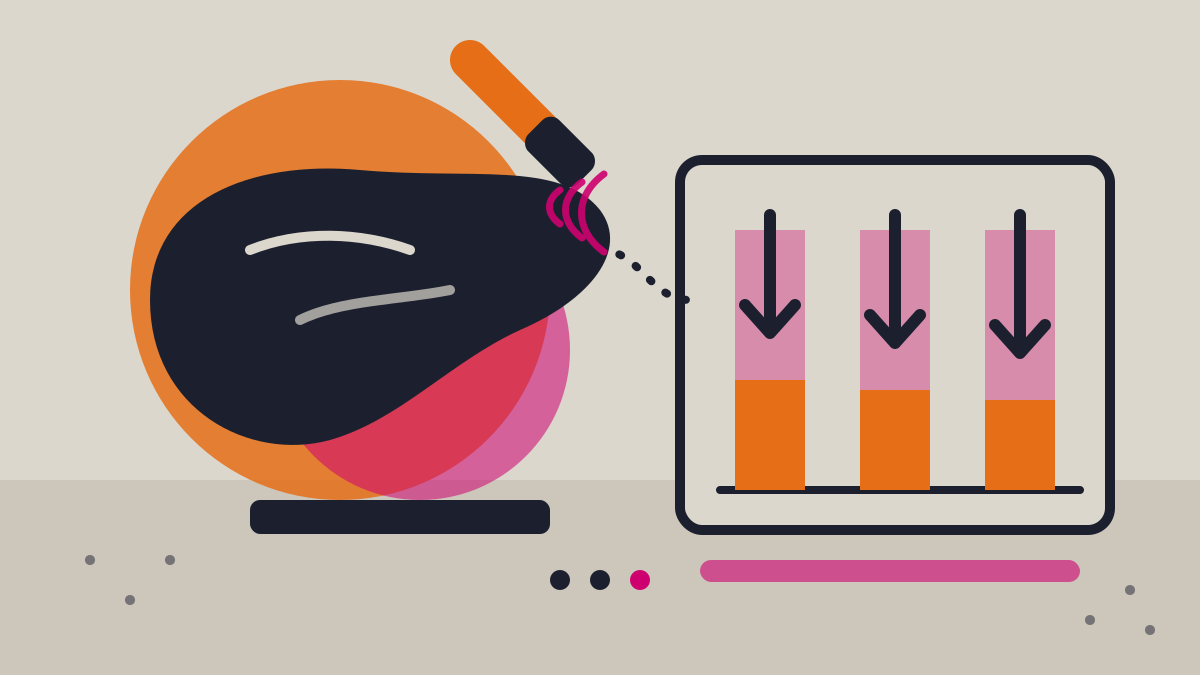
In the Phase 3 LUCIDITY trial, once daily avexitide cut weekly level 2 and 3 hypoglycemia events after gastric bypass to 0.55 versus 1.24 on placebo, a rate ratio of 0.45.
Why it matters
Post bariatric hypoglycemia has no approved medicine, and patients rely on strict diets and off label drugs. Avexitide targets the GLP 1 surge that drives the condition.
What's next
A 32 week open label extension continues, and Amylyx says it plans to file a new drug application with the FDA by the end of 2026.
Avexitide post bariatric hypoglycemia results from the Phase 3 LUCIDITY trial show the investigational drug cut the rate of serious low blood sugar events by more than half against placebo over 16 weeks. Stanford endocrinologist Marilyn Tan presented the data at ObesityWeek 2026 in National Harbor, Maryland. Avexitide blocks the GLP 1 receptor, the reverse of what Wegovy or Mounjaro do, and its developer Amylyx Pharmaceuticals says it plans to ask the FDA for approval before the end of the year.
Why a GLP 1 receptor antagonist after gastric bypass
Some people who have had a Roux-en-Y gastric bypass develop a delayed problem. Food now reaches the small intestine fast, the gut releases an outsized burst of GLP 1 after meals, and the pancreas answers with far more insulin than the meal needs. Blood sugar then falls hard, usually one to three hours after eating, and the condition can first appear months or years after surgery. Tan told the meeting that current estimates put it at roughly 12% of bypass patients and 5% of sleeve gastrectomy patients who need medical care for it. No medicine is approved for this use, so patients rely on strict diets and drugs used off label. A GLP 1 receptor antagonist aims at the hormone surge itself, the opposite of the largest weight loss trials that push the same receptor harder.
The double blind LUCIDITY trial enrolled 78 adults who still had at least two low sugar events a week during a 21 day run in period on a strict diet. They were randomly assigned in a 3 to 2 ratio to a once daily injection of avexitide or placebo for 16 weeks, and everyone kept the same medical nutrition therapy. The main measure combined level 2 events, where glucose falls into the range that starts to affect the brain, and level 3 events, where the person needs help from someone else to recover. The study is listed as NCT06747468 on ClinicalTrials.gov, sponsored by Amylyx. Participants averaged 50.8 years of age, and 96% were women.
Avexitide post bariatric hypoglycemia results in numbers
At the start, participants averaged 2.39 combined level 2 and level 3 events per week. By week 16 the weekly rate was 0.55 on avexitide and 1.24 on placebo, a rate ratio of 0.45 with a 95% confidence interval of 0.32 to 0.63. Put simply, the drug group had about 55% fewer events than the placebo group. The placebo group also improved from its own baseline, and Healio reported that Tan linked part of that fall to the intensive diet support both groups received. Healio put the drop from baseline at 72.9% with avexitide and 37.8% with placebo. Amylyx had first announced the headline result in August, and the meeting talk added the full secondary data and the safety tables.
Put simply, the drug group had about 55% fewer events than the placebo group.
All three secondary measures pointed the same way. Level 2 events counted by finger stick testing gave a rate ratio of 0.37, level 2 events picked up by continuous glucose monitors gave 0.58, and level 3 events confirmed by an adjudication committee gave 0.53, each against placebo. The burden at baseline was heavy. According to the presentation, 68% of participants had symptoms every day, 47% had passed out from low sugar at some point, and 28% had been in hospital because of the condition. Tan stressed that trial patients had regular dietitian visits, unlimited test strips and sensors with alarms, support that many people living with the condition outside a study do not get.
Safety and weight over the first 16 weeks
Side effects were mostly mild or moderate and fell into two groups: digestive complaints and skin reactions where the shot was given. Healio reported diarrhea in 34% of the avexitide group, with redness at the shot area in 19%, bruising in 17% and pain in 13%. Drug related adverse events of any kind were logged in 57% of avexitide patients and 47% of placebo patients. Two people on avexitide and one on placebo stopped treatment because of side effects. No deaths and no serious adverse events linked to the drug were reported. These counts come from a short, controlled phase in a small group, so rarer problems would not yet be visible, and the longer extension will add more exposure time.
Weight was a key safety question, because these patients had already lost a lot after surgery, about 99 pounds on average according to MedPage Today. Blocking a hormone that curbs appetite could, in theory, cause regain. In LUCIDITY, weight rose by 0.8 kg on avexitide and 1.5 kg on placebo, which the investigators did not see as a meaningful change. About 91.3% of avexitide patients stayed within 5% of their starting weight or below it, against 75% on placebo. Fasting glucose barely moved in either arm. The table below sets the main figures side by side, with every rate ratio comparing avexitide with placebo at week 16, so readers can see the size of each effect.
| Measure at week 16 | Avexitide | Placebo or comparison |
|---|---|---|
| Weekly level 2 and 3 events | 0.55 | 1.24 |
| Rate ratio, primary endpoint | 0.45 | reference |
| Level 2 events by finger stick | rate ratio 0.37 | reference |
| Level 2 events by glucose sensor | rate ratio 0.58 | reference |
| Level 3 events, adjudicated | rate ratio 0.53 | reference |
| Weight change | plus 0.8 kg | plus 1.5 kg |
What comes next for Amylyx and the LUCIDITY trial
A 32 week open label extension, in which all participants could receive avexitide, is still running and should show whether the effect holds over a longer stretch. Amylyx says it intends to file a new drug application with the FDA by the end of 2026 and is preparing for a possible United States launch in 2027. Those are company plans, not a regulatory outcome, and the agency will judge the full data package. If approved, it would be the first avexitide post bariatric hypoglycemia treatment and the first medicine cleared for this condition, which matters for a group of patients who now manage it with diet changes and medicines borrowed from other uses. Prescribers will also need clear guidance on who qualifies.
Several limits apply. The controlled phase lasted 16 weeks and included 78 people, nearly all women, so the result says little yet about long term use or about men. The data were shown as a meeting talk rather than a full peer reviewed paper, and the company funded the study. Healio noted that Tan reports consulting and speaking work for Amylyx. Trial staff also gave patients far more glucose monitoring and diet coaching than routine care offers. The open label extension cannot settle those questions either, since everyone in it receives the drug. More readouts and the questions to ask of them are collected on the Peptide Zone trials desk.
Conclusion
The LUCIDITY trial gives avexitide post bariatric hypoglycemia data a solid Phase 3 base: a 55% lower rate of serious low sugar events than placebo, a short list of mostly mild side effects and no meaningful weight change. The open questions are durability, rarer harms and how the drug performs outside a tightly supported trial. The extension results and the FDA review of the planned filing will answer some of them.