GLP 1 cold medicine advice flags NSAIDs and pill timing in flu season
A pharmacist and three physicians told Yahoo Health that people on GLP 1 drugs should rethink NSAIDs, sedating antihistamines and combination cold products. The FDA's Wegovy label ties most kidney injury reports to dehydration.

What's new
A pharmacist and three physicians told Yahoo Health that people on GLP 1 drugs should rethink NSAIDs, older sedating antihistamines and multi-symptom cold products, and plan pill timing during illness.
Why it matters
Stomach side effects of GLP 1 drugs can overlap with those of cold remedies, and the FDA's Wegovy label links most reported acute kidney injury cases to dehydration from vomiting or diarrhea.
What's next
The advice is expert opinion, not a trial result. Patients are urged to ask for a sick day plan, and the orforglipron and Paxlovid warning has yet to be checked against the label.
People taking GLP 1 drugs should check what is in a cold remedy before taking it this winter, a pharmacist and three physicians told Yahoo Health in a report published October 30. Their GLP 1 cold medicine advice centers on overlapping stomach side effects, dehydration and pill timing. The experts flagged NSAID pain relievers, older sedating antihistamines and multi-symptom products as choices to rethink. They named acetaminophen, newer antihistamines and single-ingredient products as gentler options. The guidance is expert opinion. No trial has tested these drug pairings head to head.
What the experts told patients to rethink
Two drugs that each cause nausea can add to each other, Taylor Clark told the outlet. Clark teaches pharmacy practice at Binghamton University as a clinical assistant professor. Mir Ali, who leads a surgical weight loss program run by MemorialCare in southern California, listed nausea, vomiting, diarrhea and constipation as the GLP 1 side effects patients report most often. He said some cold and flu medicines cause similar stomach symptoms, so taking both could make them more noticeable. Rabia de Latour, a gastroenterologist at NYU Grossman School of Medicine, singled out older antihistamines such as diphenhydramine. She said they can make the gut sluggish and cause constipation while a GLP 1 drug is already slowing digestion. A similar older antihistamine appears in many nighttime cold products, the report noted.
Clark also cautioned against multi-symptom products. She said slower digestion may change how fast each ingredient starts to work, and many patients do not need every component. Combination products can also hide a second dose of a pain reliever. The FDA says more than 600 medicines contain acetaminophen, and that taking too much can cause severe liver damage. The experts' GLP 1 cold medicine alternatives were acetaminophen, which Clark said has no direct interaction with GLP 1 drugs, newer non-drowsy antihistamines, and single-ingredient products matched to the symptom at hand. Clark said she favors single-ingredient products even for patients who are not on these drugs. The table below sets out the pairings the experts discussed and who raised each one.
| Medicine type | Concern raised | Option named in the report | Expert |
|---|---|---|---|
| NSAIDs such as ibuprofen and naproxen | Kidney strain during dehydration | Acetaminophen within label limits | Clark and Ali |
| Older antihistamines such as diphenhydramine | Constipation | Newer non-drowsy antihistamines | de Latour |
| Multi-symptom cold products | Hidden duplicate ingredients | Single-ingredient products | Clark |
| Antibiotics and Tamiflu | More nausea, vomiting and diarrhea | Finish the prescribed course | Clark |
| Steroids such as prednisone | Appetite, weight gain, higher blood sugar | Closer glucose checks in diabetes | Ali and Clark |
| Paxlovid | Avoid with orforglipron | No significant interaction with semaglutide or tirzepatide | Garcia-Webb |
GLP 1 dehydration and the NSAID kidney risk
The sharpest warning concerned NSAIDs such as ibuprofen and naproxen. Both NSAIDs and dehydration can affect kidney function, the report said, and an illness with fever, vomiting or diarrhea makes fluid loss more likely. Clark said some patients on GLP 1 medicines notice weaker thirst signals and drink less as a result. Ali warned that NSAIDs carry a higher kidney risk when a patient is badly dehydrated. According to the report, an expert panel's sick-day guidance calls for setting NSAIDs aside for a while whenever an illness threatens heavy fluid loss. The report did not name the panel or date its advice. Ali offered one practical check. He said six to eight hours or more with little or no urine should be read as a possible sign of dehydration.
The FDA label for Wegovy says most reported cases of acute kidney injury occurred in patients whose nausea, vomiting or diarrhea led to dehydration.
The drug's prescribing documents point the same way. The FDA label for Wegovy says most reported cases of acute kidney injury occurred in patients whose nausea, vomiting or diarrhea led to dehydration. Some of those postmarketing cases required hemodialysis, and the label added a warning titled Acute Kidney Injury Due to Volume Depletion in August 2025. The same Wegovy prescribing information tells clinicians to monitor kidney function in patients reporting side effects that could lead to volume loss, especially while doses are being raised. It also says semaglutide delays gastric emptying and may affect absorption of oral drugs taken with it. None of this shows that a short course of ibuprofen harms a well-hydrated patient. The concern is the mix of illness, fluid loss and a drug that can reduce appetite and, for some people, thirst.
Oral semaglutide timing and the orforglipron Paxlovid warning
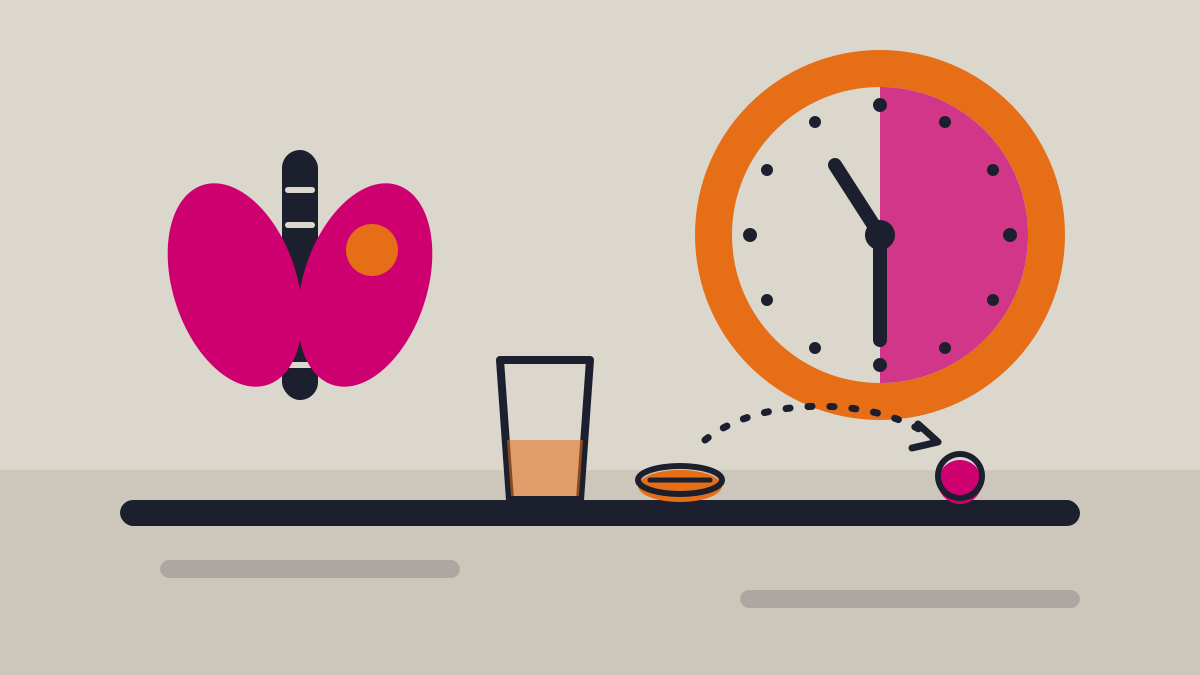
Pill users face a separate problem. Oral semaglutide, which the report described as the Ozempic and Wegovy pills, has strict morning rules: patients swallow it on waking, before any food, with only a small amount of water. They then hold off on meals, drinks and other medicines for half an hour or more. That rule can collide with a fever reducer, an antibiotic or an antiviral that carries its own instructions. Meghan Garcia-Webb, a Massachusetts doctor certified in obesity, internal and lifestyle medicine, advised patients to ask a pharmacist or prescriber to map one schedule for all their drugs. She said it is usually easier to move the antibiotic or antiviral than the semaglutide pill. Readers who take thyroid hormone face similar spacing questions with levothyroxine.
Garcia-Webb also said patients should avoid taking orforglipron with Paxlovid, the COVID-19 antiviral, while she saw no significant interactions between Paxlovid and tirzepatide or semaglutide. Orforglipron is sold as Foundayo, which the report called the third FDA-approved GLP 1 pill. The report did not cite the label section behind her warning, and Peptide Zone did not confirm it against the Foundayo prescribing information. The report added that many other drugs either clash with Paxlovid outright or require a dose change alongside it. Foundayo does not share the fasting rule. Eli Lilly's patient instructions allow the tablet with or without a meal and set no limit on water. That removes the morning timing squeeze, though it does not settle the antiviral question.
Building a GLP 1 sick day plan
Whether to keep dosing during an illness depends on how well a patient tolerates the drug, Garcia-Webb said. Patients whose side effects are mild or under control can often keep going. For those who cannot keep food down, have heavy stomach symptoms or risk dehydration, she said she would probably delay the dose or skip a week. She urged patients to check with a doctor first, especially if they take a GLP 1 drug for diabetes. After a short delay, her patients restart on their usual injection day, and she warned against taking two doses in one week to catch up. After several missed weeks, she said, going straight back to the usual dose can bring nausea back, so she may use a lower dose for a while. These are one clinician's practices, not label instructions.
The experts also listed red flags. Garcia-Webb said patients should call a doctor if they drink much less than usual, vomit or have diarrhea repeatedly, or notice stomach symptoms unlike their usual side effects. Lightheadedness, dizziness or an inability to keep food or water down call for the emergency room, she said. De Latour said severe belly pain that will not ease can signal pancreatitis. Ali said the drugs do not suppress the immune system, and the report cited a 2025 Journal of Infection meta-analysis linking them to fewer serious infections. Drug-related vomiting remains a research target, as a recent tradipitant Phase 3 readout shows. The core GLP 1 cold medicine advice was to ask for a GLP 1 sick day plan at the next routine visit.
Conclusion
The GLP 1 cold medicine guidance published October 30 rests on expert opinion and on label warnings about dehydration and kidney injury, not on trials of specific remedy pairings. Its practical core is narrow: watch fluids, be cautious with NSAIDs during a dehydrating illness, avoid stacking ingredients and plan pill timing with a pharmacist. Open questions remain, including how often these combinations cause harm and what the orforglipron label says about Paxlovid. This report is for news and research purposes and is not medical advice.