Rogaine sales up 30 percent this year as CEO links rise to GLP 1 drugs
Kimberly-Clark CEO Mike Hsu says Rogaine is up 30% year to date and that GLP 1 adoption may be a driver. The company showed no buyer data, and doctors tie most shedding on these drugs to fast weight loss.
What's new
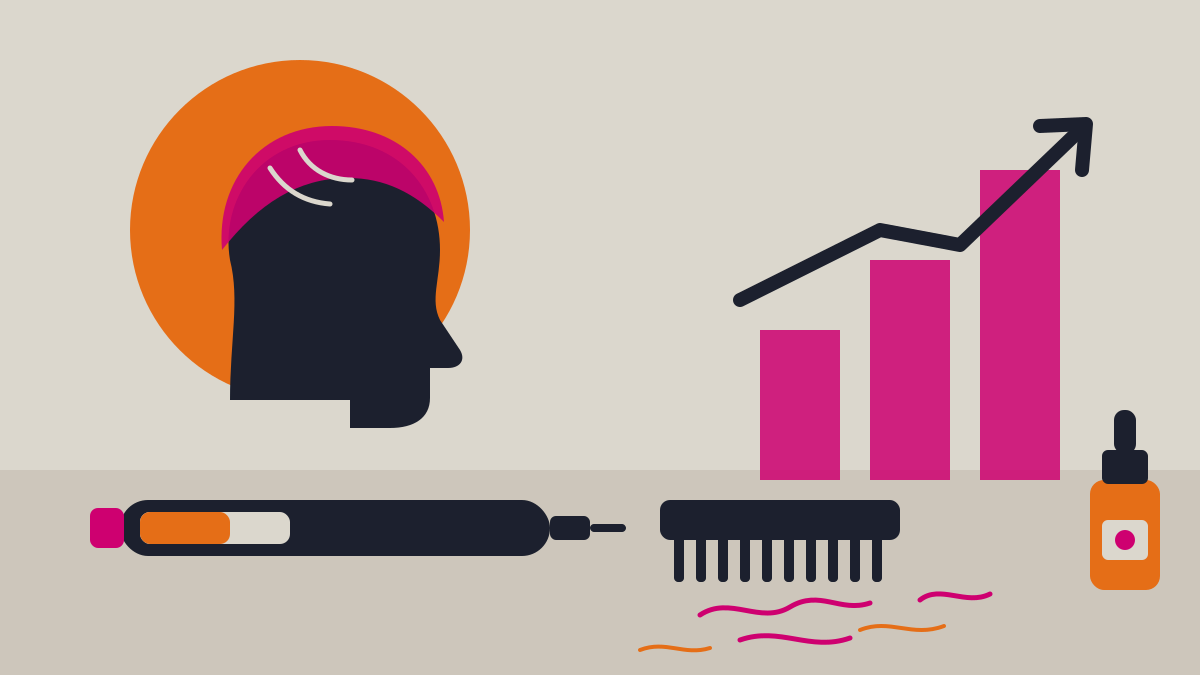
Kimberly-Clark CEO Mike Hsu told analysts Rogaine sales are up 30% year to date and said the rise may be driven by some GLP 1 adoption.
Why it matters
It is a sign that consumer health firms see knock on demand from weight loss drugs, but the company offered no buyer data and the period mostly predates its Kenvue ownership.
What's next
Future Kimberly-Clark calls may show whether Rogaine growth holds, while researchers study whether GLP 1 drugs affect hair directly or only through fast weight loss.
Rogaine sales have risen 30% so far this year, Kimberly-Clark Chief Executive Officer Mike Hsu told analysts on Thursday. He said the gain in Rogaine sales "may be driven by some GLP-1 adoption," pointing to the weight loss drugs that can come with hair shedding. Hsu spoke on the company's third quarter earnings call, held days after Kimberly-Clark said it had closed its purchase of Kenvue, the brand's former owner. The company did not present data on who is buying the product. Doctors tie most hair loss on these drugs to fast weight loss.
What the company told analysts
Hsu raised the brand while listing products that had done well this year. "Rogaine, surprisingly, I didn't know this, Michael, but it may be driven by some GLP-1 adoption, so Rogaine's up 30% year-to-date," he said, according to a transcript of the call. He added that the hair care business has been "very good" and that OGX shampoo is also selling well. Bloomberg reported the remark and noted that Rogaine was first approved as a treatment for male baldness in 1988. On the same call, Hsu said baby brands were up about 5% this year and BAND-AID was up 4%. CNBC reported that he cited a low to mid single digit rise for Tylenol. The remarks came as the Kimberly-Clark earnings report showed a soft quarter for the company as a whole.
Third quarter net sales were $4.1 billion, down 0.4% from a year earlier, Quartz reported. Organic sales fell 1.3%, the company said, and that figure included a drag of about 270 basis points from a disruption in China. CNBC noted that the company had released partial preliminary results on Oct. 15 as part of the process of closing the Kenvue deal. Management reaffirmed its full year outlook for Kimberly-Clark as a standalone business, according to CNBC. The Kenvue acquisition brings a set of consumer health brands under one roof, and Rogaine is one of them. The table below sets out the figures given on the call and in reports of it. Brand figures are year to date, while the sales totals cover the quarter only.
| Item | Figure | Period | Reported by |
|---|---|---|---|
| Rogaine sales | Up 30% | Year to date | CEO Mike Hsu on the call |
| Baby brands | Up about 5% | Year to date | CEO Mike Hsu on the call |
| BAND-AID | Up 4% | Year to date | CEO Mike Hsu on the call |
| Tylenol | Low to mid single digit rise | This year | CNBC report on the call |
| Net sales | $4.1 billion, down 0.4% | Third quarter | Company, via Quartz |
| Organic sales | Down 1.3% | Third quarter | Company, via Quartz |
What doctors say about GLP 1 hair loss
Some people who take weight loss drugs lose hair, Bloomberg reported. Doctors put most of the shedding down to fast weight reduction, which puts the body under strain. The thinning tends to show up a few months after a large drop in weight and is usually temporary, according to the same report. Researchers are still studying whether the drugs themselves add to the problem, and that question has not been settled. Our earlier review of GLP 1 side effects found hair loss to be the most common of three concerns raised in one report, with the Zepbound label linking it to weight loss. That framing matters here, because it points to the speed of weight loss rather than to a single drug as the main driver of GLP 1 hair loss.
Hsu offered the GLP 1 link as a possibility, not a finding, and the company has published no data on who is buying Rogaine.
Hsu offered the GLP 1 link as a possibility, not a finding, and the company has published no data on who is buying Rogaine. He said he had not known about the trend before the call. If shedding follows fast weight loss of any kind, demand for hair products would track how quickly people lose weight, not which drug they use. If researchers find a direct drug effect, labels and patient advice could change. Neither outcome has been shown in the reports reviewed for this story. People who notice hair loss during treatment should raise it with the clinician who prescribes the drug. This story reports company statements and news coverage, and it is not medical advice for any person or condition.
What the 30 percent figure does not show
The figure is year to date, so most of it covers months when Kenvue, not Kimberly-Clark, owned the brand. Quartz reported that Kimberly-Clark said it completed the purchase earlier this week. The company did not give a dollar value for Rogaine sales in the remarks reviewed here, and it did not say whether the 30% rise is global or limited to one country. Nor did it split the gain between price, volume, new stores or marketing. The Briefs report on the remark said personal care firms are pushing targeted products while inflation weighs on overall demand, and that shoppers accept higher prices when results improve. Any of those factors could lift sales without a single new GLP 1 user, and none has been measured.
Other consumer companies have also pointed to weight loss drugs when they explain shifts in demand. Heineken told British pubs that the drugs could cut beer and cider sales, while rival brewers expected a smaller effect. NielsenIQ has said that shoppers who stop the drugs drift back to old baskets within six to 11 months. Those claims differ in how much they can show about cause. The Rogaine remark sits at the lighter end of that range, because it is a single comment from a chief executive with no supporting analysis. It still shows that large consumer firms now read their own sales through the lens of GLP 1 use, even when the data behind that reading are thin.
Drugmakers eye the hair loss treatment market
Rogaine holds about 9% of the global market for hair loss prevention products, according to a Briefs report on Rogaine published after the call. The same report cited the research firm Future Market Insights, which puts that market at around $10 billion in 2025 and projects roughly $23 billion by 2035. That second number is a forecast from a market research firm, not a measured result, and it depends on assumptions the report did not set out. The size of the hair loss treatment market matters to the GLP 1 story because a large and growing base of patients would widen the pool of people who may look for help with shedding, if the link holds.
The Briefs report also named companies working on new hair loss therapies, including VeraDermics and Pelage Pharmaceuticals. It said the two largest GLP 1 makers, Eli Lilly and Novo Nordisk, have also shown interest in the field. The report did not name a product, a trial or a timeline for either drugmaker, and neither company is quoted in it. Readers should treat that line as a signal of interest rather than evidence of a program. The next test of the claim is simple. With the deal closed, Kenvue brands now sit inside Kimberly-Clark, and future calls may show whether Rogaine growth holds. Studies on whether the drugs act on hair directly would carry more weight than any sales figure.
Conclusion
Rogaine sales are up 30% this year, Kimberly-Clark said, and its chief executive linked part of that to GLP 1 use. The link is a suggestion from one call, not a measured effect. Doctors tie most shedding on these drugs to fast weight loss, and it is usually temporary. The growth also spans months before the Kenvue deal closed. More detail from the company, and research on whether the drugs affect hair directly, would show how much of the rise belongs to the weight loss boom.