EU safety committee adds a rare eye condition to semaglutide warnings
Europe's pharmacovigilance committee concluded that non-arteritic anterior ischemic optic neuropathy is a very rare side effect of semaglutide medicines.
What's new
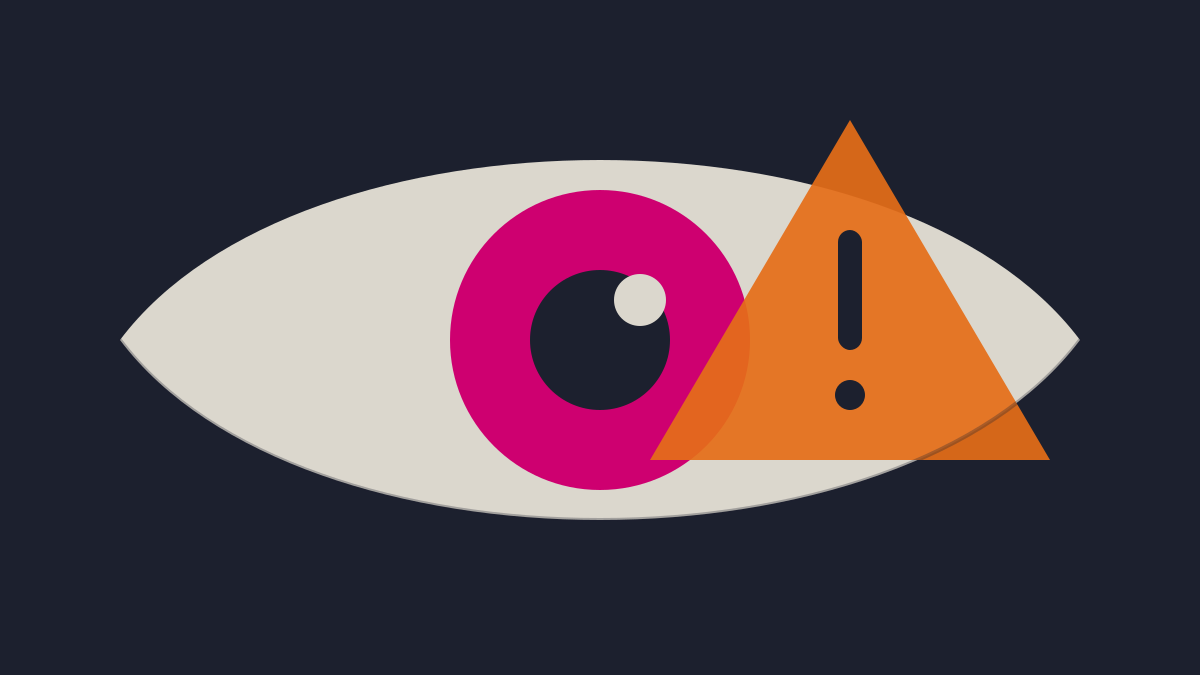
PRAC recommended updating product information for Ozempic, Rybelsus and Wegovy to list NAION as a very rare side effect.
Why it matters
NAION can cause permanent loss of vision in one eye. Prescribers and patients need to know to report sudden vision changes.
What's next
Other regulators are reviewing the same signal; label wording outside the EU may follow.
The European Medicines Agency's safety committee, PRAC, concluded that non-arteritic anterior ischemic optic neuropathy (NAION) is a very rare side effect of semaglutide. It recommended adding it to the product information of the three semaglutide medicines sold in the EU.
What NAION is
NAION happens when blood flow to the front of the optic nerve drops, damaging it. It usually causes sudden, painless loss of vision in one eye, often noticed on waking. There is no proven treatment to reverse it.
How the signal emerged
Several observational studies published in 2024 reported more NAION cases among people taking semaglutide than among people on other diabetes or weight drugs. Observational studies cannot prove cause, so PRAC reviewed them together with trial data and spontaneous reports.
What "very rare" means
In EU labels, very rare means up to 1 in 10,000 people. The committee estimated that exposure to semaglutide roughly doubles the risk compared with not taking it, starting from a low baseline.
Practical advice in the update
- Patients should contact a doctor promptly if they notice sudden vision loss or rapidly worsening eyesight.
- If NAION is confirmed, treatment with semaglutide should be stopped.
A doubled risk of a rare event is still rare. It is also exactly the kind of signal that only shows up once millions of people take a drug.