Mounjaro needle disposal warning follows sharps found in Coventry recycling
A UK GP told people on Mounjaro and Wegovy to use sharps bins, not recycling, after the BBC reported needles reaching a Coventry sorting plant. No national figures on discarded needles have been published.
What's new
A UK GP urged Mounjaro and Wegovy users to put used needles in sharps bins, after the BBC reported needles and sharps containers turning up at a Coventry recycling plant.
Why it matters
Needles in recycling can injure sorting staff, who then face testing and months of waiting for results. Private buyers of weight loss injections may not receive sharps bins or disposal advice, the BBC reported.
What's next
No national data or regulator response has been reported. The open question is whether private prescribers routinely supply sharps bins with first injections.
COVENTRY, England. A UK GP has urged people using Mounjaro and Wegovy to keep used needles out of household rubbish and recycling, putting Mounjaro needle disposal back in the news. The advice, carried by the Coventry Telegraph on 3 November, follows a BBC report that a Coventry recycling plant keeps finding needles and sharps containers on its sorting lines. The BBC named privately prescribed medicines, including Mounjaro and Wegovy, as a growing challenge for the plant. No national count of needles found in UK recycling has been published.
What the recycling plant found
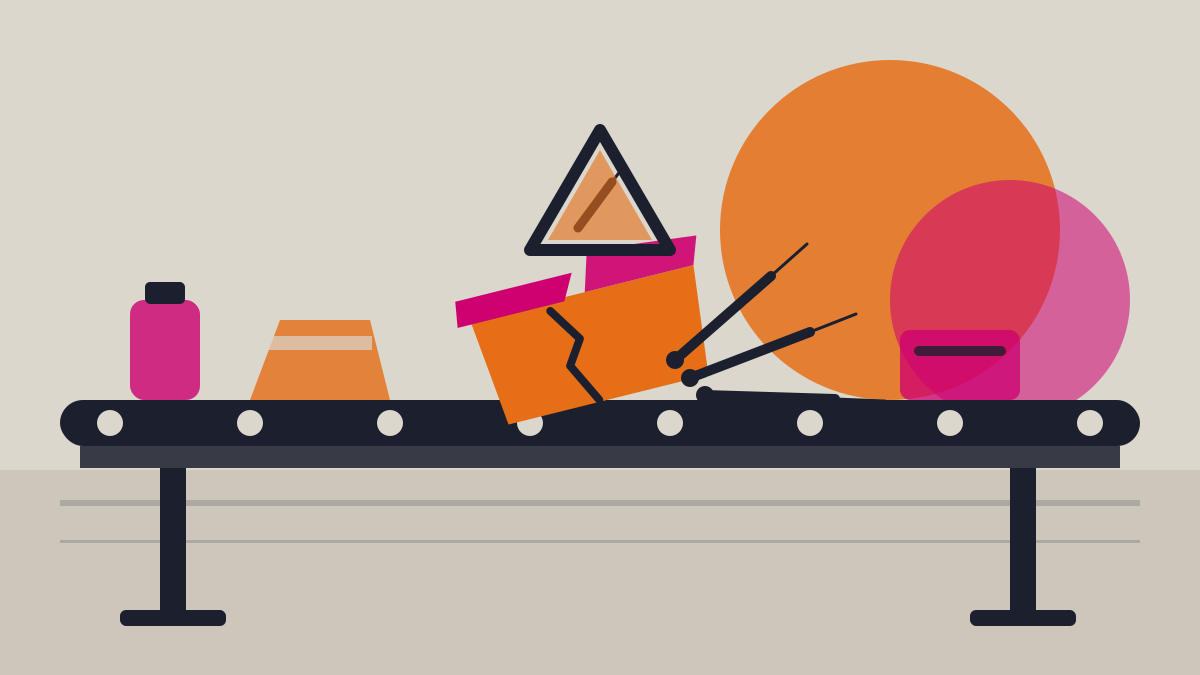
Sherborne Recycling sorts household recycling collected by several councils that together serve about 1.5 million people, according to the BBC report as summarised by Yahoo News. During the broadcaster's visit, a crushed and open sharps container came down the Coventry sorting belt. Supervisor Paul Pagett showed reporters a cupboard holding yellow sharps containers pulled from recycling during 2026. The plant is highly automated, but staff still inspect incoming waste and remove items the machines cannot process, the report said. Those hand tasks are where contact with a loose needle can happen. Only a handful of Sherborne workers touch waste directly, according to the report, while other sorting sites may have dozens of people exposed to the same risk.
Richard Dobbs, the plant's managing director, described what happens when a worker is pricked. Staff must be tested and then wait for results, which can take months, he told the BBC. He said most results come back clear, but that some workers have caught serious infections and illnesses over the years. The report added that a recycling truck can crush a sharps container before it reaches the plant, letting the needles spill out onto the conveyor. That means a sealed sharps container placed in the recycling bin offers little protection to the people downstream. "There are safe disposal routes for needles but the worst place to put them is in your recycling," Dobbs said, according to the BBC.
| What | Detail | Reported by |
|---|---|---|
| Recycling plant | Sherborne Recycling in Coventry | BBC |
| Area served | Councils covering about 1.5 million people | BBC |
| Items found | Needles and sharps containers in household recycling | BBC |
| Medicines named | Privately prescribed drugs including Mounjaro and Wegovy | BBC |
| Search interest | UK searches on needle disposal up 5,000% in a month | Coventry Telegraph |
| GP advice published | 3 November 2026 | Coventry Telegraph |
Why Mounjaro needle disposal is now in focus
The BBC report pointed to a gap in how patients get disposal equipment. People who use insulin are often given sharps bins and advice, but private buyers of weight loss injections may get neither, the BBC reported. Its reporting also covered injectable treatments for diabetes and multiple sclerosis, so weight loss drugs are not the only source of sharps in household waste. Mounjaro is injected once a week, and each injection leaves behind one used pen needle. With the multi dose KwikPen, the pen itself stays in the home between doses while the needles pile up. That pattern sends a steady flow of small sharps into homes that may have no plan for getting rid of them safely.
People who use insulin are often given sharps bins and advice, but private buyers of weight loss injections may get neither, the BBC reported.
The Coventry Telegraph reported that UK online searches for how to dispose of used needles rose by 5,000% over the past month. The article did not say who measured that rise or how, so the figure points to public interest rather than to any proven change in behaviour. The advice in the piece came from Dr Crystal Wyllie, a GP who works for an online doctor service run by a UK supermarket that prescribes weight loss injections. She said "learning how to dispose of your medication is just as important as getting your injection technique right." She warned that needles left in household waste put family members, children and waste collectors at risk of a needlestick injury.
Sharps bin rules for pen users
Dr Wyllie said each used needle should go into an approved sharps bin straight after the injection. She noted that a Mounjaro KwikPen holds four weekly doses, so the pen should not be thrown away after one use. Patients should fit a fresh needle every time, take it off right after injecting and drop it into the bin, she said. Needles should never be left attached to the pen between doses or reused. Once the needle is off, the cap goes back on the pen, which is then stored as the maker directs. Basic injection safety is a wider gap, as Queensland researchers found among people injecting peptides bought online who rarely receive any safety advice.
For storage at home, Dr Wyllie said a sharps bin should stand upright, stay firmly closed when not in use and sit well out of reach of children and pets. When the bin reaches its fill line, it should be sealed following the maker's instructions. It can then be collected through a local council clinical waste service, or returned to a pharmacy or GP surgery that accepts used bins, she said. The BBC report advised people who need a container, or help arranging collection, to speak to a doctor or pharmacist. A full sharps bin is still clinical waste. It belongs in neither the general rubbish nor the recycling, because collection trucks can crush it and expose the needles inside.
What is not known and what comes next
Key facts remain unknown. The BBC report describes one plant in Coventry, and neither article gives national figures on needles found in UK recycling. Neither report says what share of the sharps comes from weight loss drugs rather than insulin or other injected medicines. No statement from a UK regulator or from the makers of Mounjaro and Wegovy appears in either report. The Coventry Telegraph said that putting clinical sharps in household waste breaches UK waste rules, including the Environmental Protection Act 1990. It gave no detail on how those rules are enforced against households. The method behind the 5,000% search figure is also unclear, so the scale of the Mounjaro needle disposal problem cannot yet be measured from public data.
The open question is whether private prescribers routinely send a sharps bin and disposal advice with each first supply of injections. The two reports did not name which services do and which do not. Patients already have routes that work: a council clinical waste collection, or a pharmacy or GP surgery that takes back sealed bins. Tablet forms of GLP 1 medicines create no needle waste, and the first GLP 1 pill for weight management has been approved in the United States. Whether a tablet suits any given patient is a decision for the prescriber. Until supply practice is clearer, the burden of safe Mounjaro needle disposal sits with each household and its prescriber.
Conclusion
The Coventry case shows that careless Mounjaro needle disposal can harm people who never use the drug, such as sorting staff who face tests and months of waiting after a needlestick injury. The advice itself is simple. Use a sharps bin, never the recycling, and return full bins through council, pharmacy or GP routes. This report is not medical advice. Patients with questions should ask their prescriber or pharmacist, and more coverage is on our safety desk.