Semaglutide fails to slow Alzheimer's in two large trials
Oral semaglutide did not slow the progression of early Alzheimer's disease compared with placebo, ending one of the most watched tests of GLP-1 drugs outside metabolism.
What's new
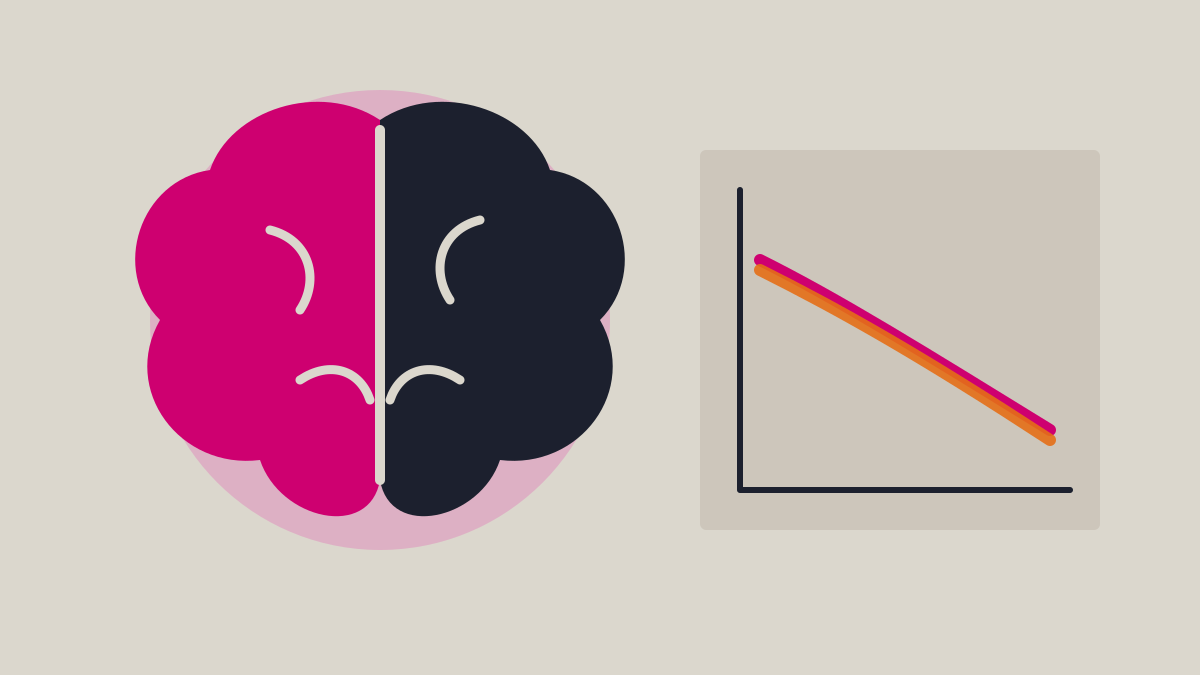
EVOKE and EVOKE+ both missed their primary endpoint: no meaningful difference in cognitive and functional decline after two years.
Why it matters
Observational data had suggested people on GLP-1 drugs had less dementia. A randomised test said no for this use.
What's next
Full data at a scientific meeting, and a look at whether any subgroup or biomarker moved.
Two phase 3 trials testing oral semaglutide in early Alzheimer's disease did not show that the drug slows the disease, Novo Nordisk said. Together, EVOKE and EVOKE+ enrolled more than 3,800 people with mild cognitive impairment or mild dementia due to Alzheimer's.
What was tested
Participants took oral semaglutide or placebo once a day for two years, in addition to usual care. The main measure was a standard rating scale that combines memory, thinking and daily function.
Why there was hope
- Large health-record studies linked GLP-1 drugs with fewer dementia diagnoses.
- Lab studies suggested effects on brain inflammation and insulin signalling.
- GLP-1 receptors exist in parts of the brain.
Why it may have failed
Observational links can reflect who gets prescribed a drug rather than what the drug does. It is also possible the peptide reaches too little of the brain, or that any benefit needs to start years earlier. The trials cannot tell which.
What it means
This result applies to semaglutide in early Alzheimer's. It does not say anything new about its approved uses. For the wider field, it is a reminder that a striking pattern in health records is a reason to run a trial, not a substitute for one.
A clear negative in a well-run trial is useful news. It saves patients and researchers from chasing a signal that did not hold.