The weight-loss pill that is not a peptide posts its first obesity readout
Orforglipron hits the GLP-1 receptor without being a peptide at all. Its first phase 3 obesity result was solid but below the injectable peptides, and that gap is the story.
What's new
ATTAIN-1: once-daily oral orforglipron produced 12.4% average weight loss at 72 weeks on the highest dose, versus about 1% on placebo.
Why it matters
If a cheap-to-make tablet can do most of what peptide injections do, it could reach far more people.
What's next
Regulatory filings for obesity and the head-to-head data against oral semaglutide in diabetes.
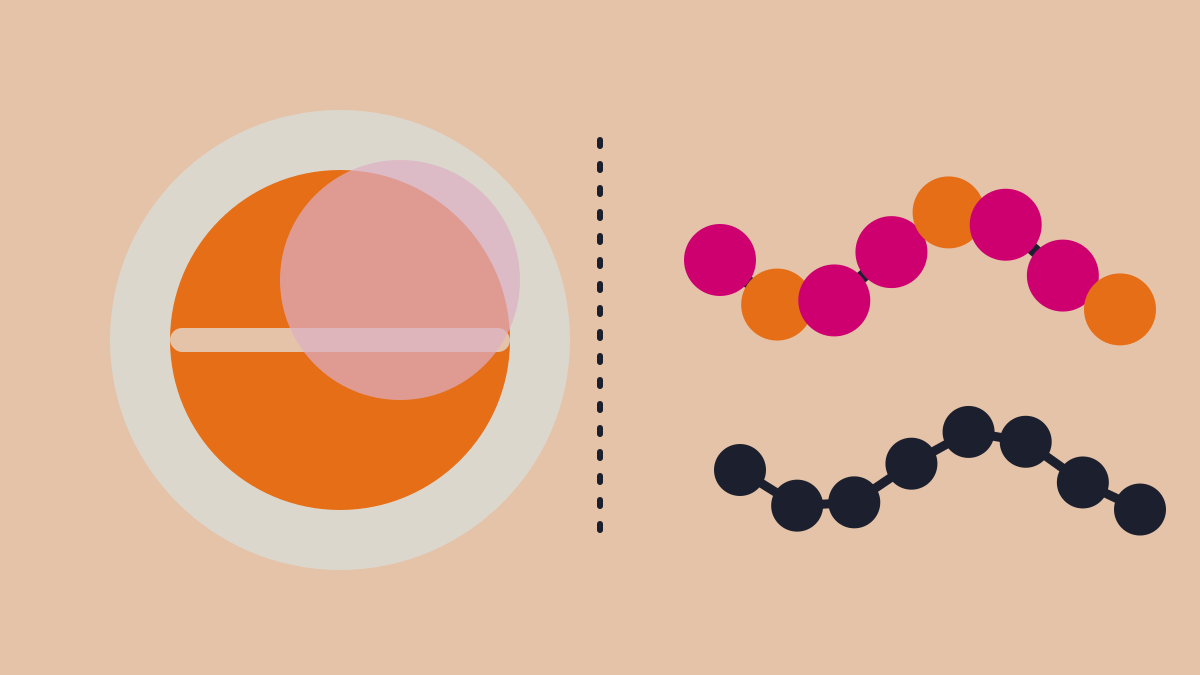
Most of the drugs in this race are peptides: chains of amino acids that the gut would digest if swallowed. Orforglipron is different. It is a small synthetic molecule that switches on the same GLP-1 receptor, and it is taken as an ordinary daily tablet without food or water restrictions.
The numbers
In ATTAIN-1, adults with obesity and without diabetes lost an average of 12.4% of their weight after 72 weeks on the highest dose. That is a meaningful result, but it sits below the injectable peptides, and the share price fell on the day.
Why the comparison matters
| Injectable peptides | Orforglipron | |
|---|---|---|
| Form | Weekly injection | Daily tablet |
| Manufacturing | Peptide synthesis, cold chain | Chemical synthesis, room temperature |
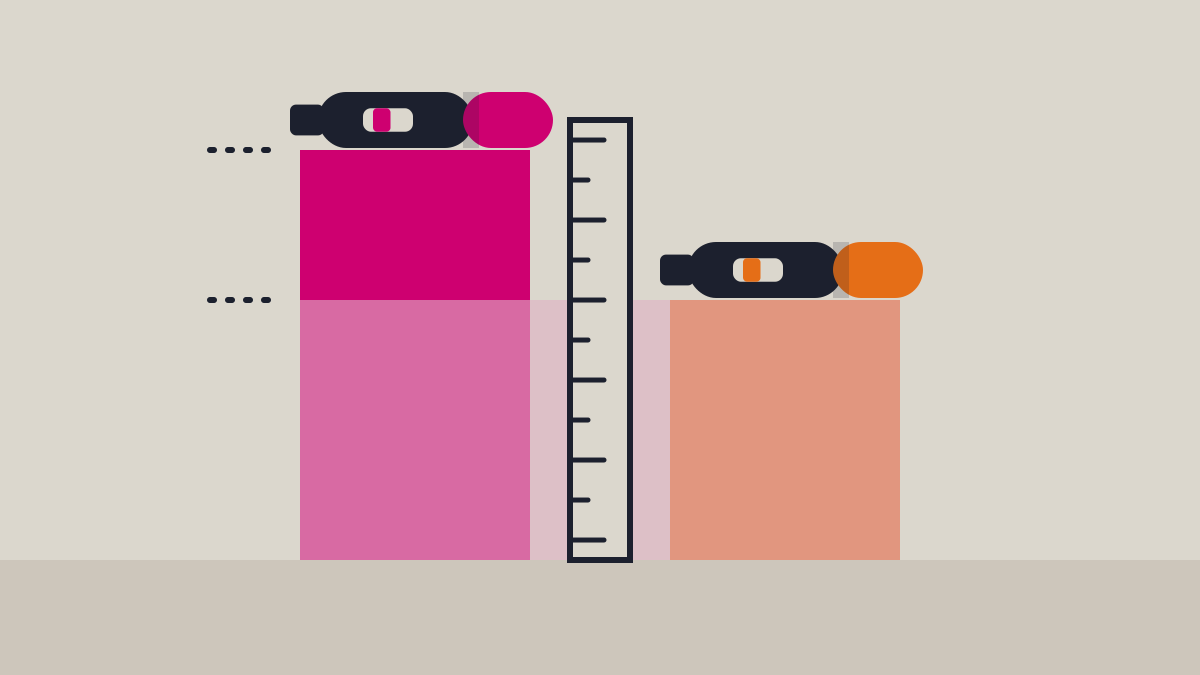
| Weight loss in big trials | High teens to low 20s percent | Low teens percent |
Tolerability
Side effects were the familiar stomach complaints of the class. Roughly one in ten people on the top dose stopped because of them, a rate in line with or slightly above injectable peptides.
The peptide angle
Peptides win on potency and specificity. Small molecules win on cost, storage and scale. Orforglipron does not end the peptide era; it tests how much potency patients and payers will trade for convenience.